Guides Menu
Guidelines for Nature-based Solutions at the regional scale Menu

Back to all guides

Guidelines for Nature-based Solutions at the regional scale

About this guide
About this guide

This guide provides a practical overview of applying Nature-based Solutions (NbS) at the regional scale. It includes:

  • A clear definition and examples of NbS across landscapes and ecosystems;
  • Information on the diverse approaches to implementing NbS
  • Best practices from different regions of the world
  • Resources to support governments, regional bodies, and practitioners;
  • Guidance on mobilizing financial resources and investments to scale up NbS

This NbS guide highlights case studies and practical tools designed for use at the regional level. By presenting these best practices in an accessible format, regional actors are better able to implement NbS effectively, helping safeguard ecosystems, strengthen climate resilience, and support sustainable livelihoods across landscapes and communities.
About this guide

Why NbS matters for regions

The Kunming–Montreal Global Biodiversity Framework (GBF) commits all governments to halt and reverse biodiversity loss by 2030. Many GBF targets are directly relevant for regional governments, including:

  • Target 1: The use of all areas is planned or managed to bring the loss of areas of high importance for biodiversity close to zero
  • Target 2 – Restore at least 30% of degraded ecosystems.
  • Target 3 – Conserve 30% of Land, Waters and Seas.
  • Target 8 – Minimise the impacts of climate change and ocean acidification, and increase resilience through ecosystem-based approaches.
  • Target 11 – Restore, maintain, and enhance nature’s contributions to people.
  • Target 19 – Increase financial resources for biodiversity from all sources.

The GBF complements the Paris Agreement and the Sustainable Development Goals (SDGs), recognising the essential role of healthy ecosystems in climate resilience, biodiversity conservation, and sustainable development.

The United Nations Sustainable Development Goals (SDGs) — particularly SDG 14 (Life Below Water) and SDG 15 (Life on Land) — and the Paris Agreement recognize the critical role of healthy ecosystems in achieving climate, biodiversity, and development targets. For regional governments, protecting and restoring ecosystems is both an environmental necessity and an economic opportunity.

Unpacking some key terms

Nature-based Solutions

Nature-based Solutions (NbS) are actions to protect, conserve, restore, sustainably use, and manage natural or modified terrestrial, freshwater, coastal, and marine ecosystems, which address social, economic, and environmental challenges effectively and adaptively, while simultaneously providing human well-being, ecosystem services, resilience and biodiversity benefits (UNEA, 2022). 

Rooted in the Convention on Biological Diversity’s ecosystem approach, the concept emerged in the late 2000s through the World Bank and IUCN, with the first global definition set by IUCN in 2016 and refined by UNEA in 2022 to explicitly highlight multiple ecosystem types, the three sustainability pillars, and the need for simultaneous, adaptive benefits. 

UNEA Resolution 5/5 (2022) emphasizes that NbS must constitute certain ‘qualifying’ actions – protect, conserve, restore, sustainably use, and manage; address all three pillars of sustainable development:

  • Environmental –  safeguarding biodiversity, ecosystem health, and resilience;
  • Social – improving human well-being, equity, cultural values, disaster risk reduction;
  • Economic –  generating cost-effective solutions, sustainable livelihoods, and resilience of economies; and 

is explicitly applicable to natural or modified: 

  • Terrestrial ecosystems (forests, grasslands, drylands, mountains, etc.)
  • Freshwater ecosystems (rivers, lakes, wetlands, aquifers)
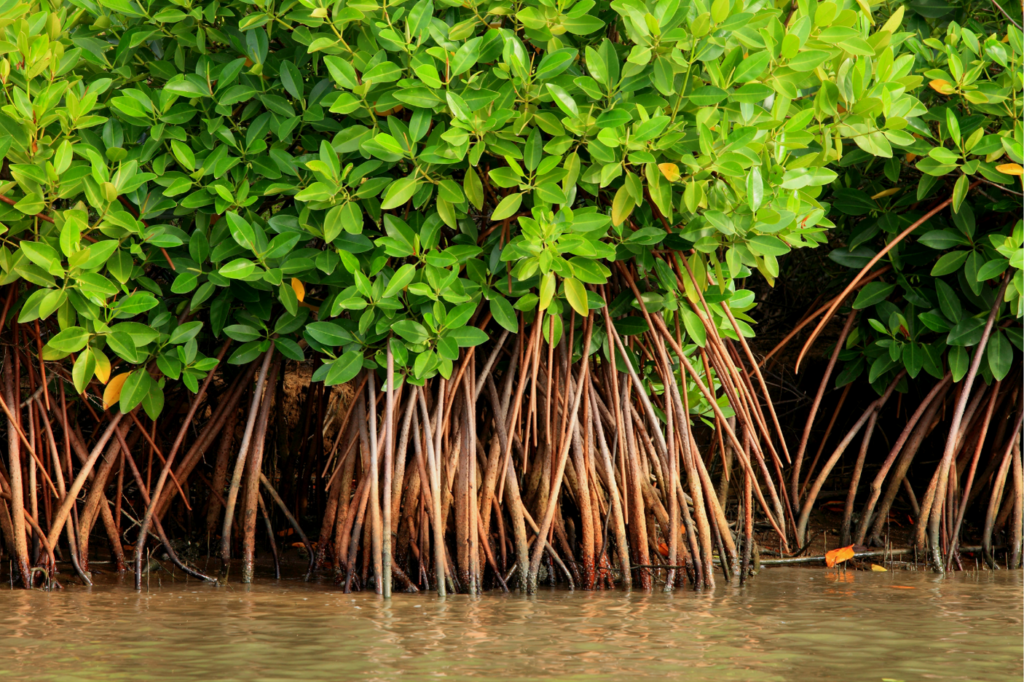
  • Coastal ecosystems (mangroves, estuaries, salt marshes, lagoons)
  • Marine ecosystems (coral reefs, seagrass meadows, open ocean areas)

Ecosystems and ecosystem services

An ecosystem is defined in Article 2 of the Convention on Biological Diversity (CBD) as a “dynamic complex of plant, animal and micro-organism communities and their non-living environment interacting as a functional unit”. In other words, an ecosystem refers to the interconnectedness of living and non-living components within a specific area, functioning together as an integrated system. Ecosystems are classified as either terrestrial (land-based) such as forests, grasslands, deserts, mountains and tundra or aquatic (water-based), which are further classified as either freshwater systems such as wetlands, lakes, rivers and aquifers; coastal systems like mangroves, estuaries, salt marshes; and marine systems such as seagrass meadows, coral reefs and oceans.  

IUCN (202) maps a Global Ecosystem typology

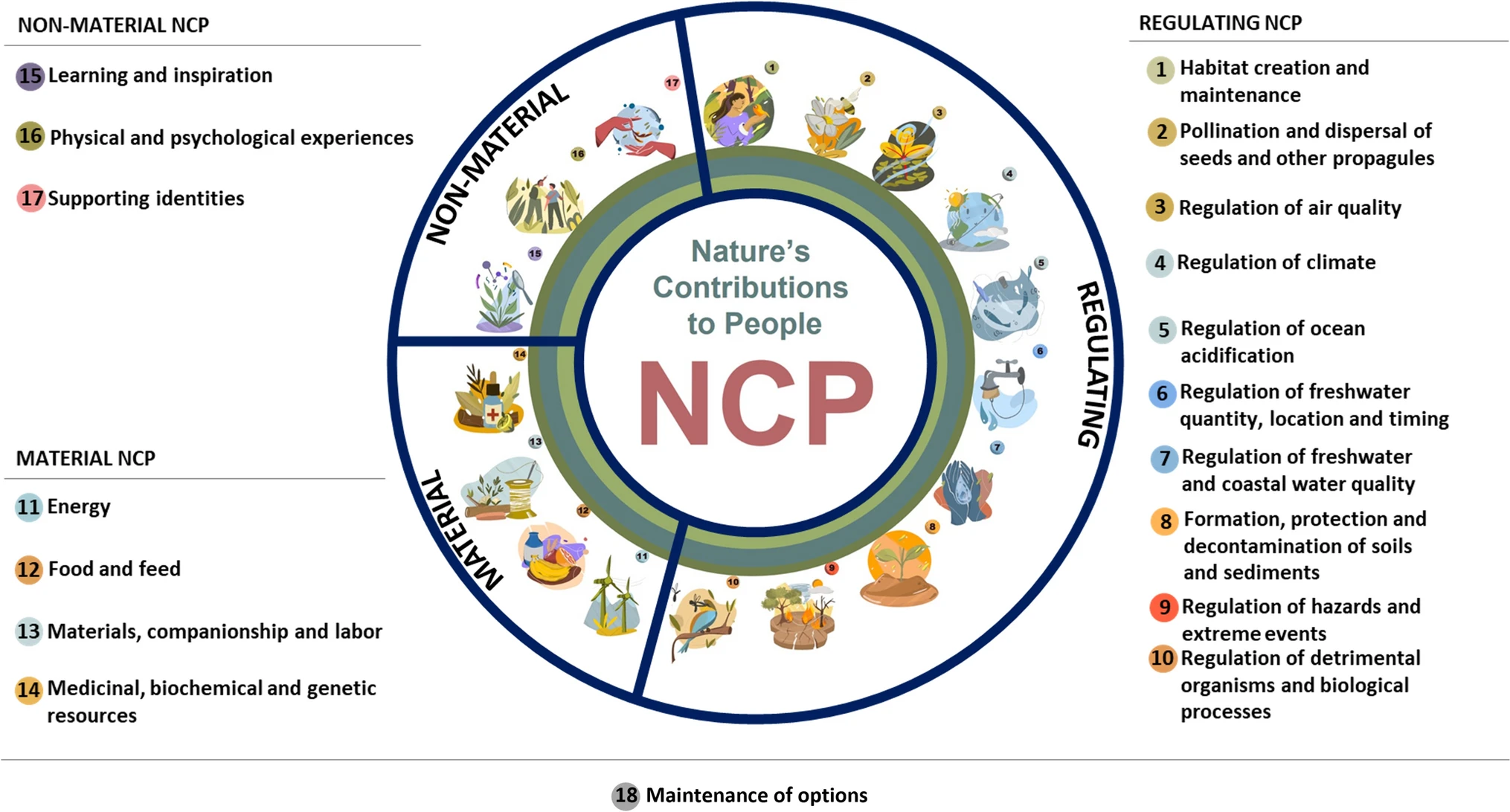
Healthy ecosystems provide certain benefits in the form of ‘goods and services’, also known as ‘nature’s contributions to people (NCP):

  • Protection and resilience: forests reduce flood risks, wetlands filter water, and grasslands store carbon.
  • Economic value: support for agriculture, fisheries, tourism, and other nature-based economies.
  • Climate action: carbon storage, temperature regulation, and buffering against extreme weather.
RWN guides-5

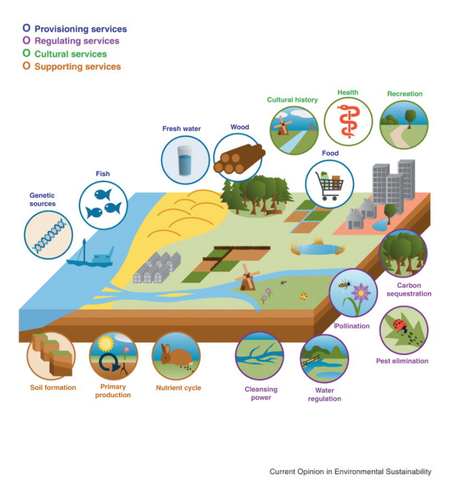
The Millennium Ecosystem Assessment (2005) distinguished four types of ecosystem services based on their benefits to society:

  • Provisioning services including the production of goods such as food, water, timber, and fiber;
  • Regulating services that stabilize the climate, moderate risk of flooding and disease, and protect or enhance water quality;
  • Cultural services that provide recreational, esthetic, educational, community, and spiritual opportunities; and
  • Supporting services that underlie the provision of the other three classes of benefits, including soil formation, photosynthesis, nutrient cycling, and the preservation of options 

Today, scientists and academics increasingly refer to the concept of ‘nature’s contribution to people (NCP)’, which shifts the focus from ‘ecosystem services’ to recognize the reciprocal and complex relationships between people (covering diverse stakeholders and world views) and nature. NCP promotes a more holistic understanding of this relationship and goes beyond mere economic benefits, to also fostering a sense of mutual dependence and responsibility towards nature as  human survival and well-being depends on healthy, functioning ecosystems.

NCP are grouped into three broad categories:

Material contributions

being tangible resources provided by nature, such as food and feed, materials and genetic and biochemical resources;

Regulating contributions

such as pollination, water regulation, climate regulation and soil formation and protection; and

Non-material contributions

that provide intangible benefits to human well-being, such as through physical and psychological experiences, contributing to the cultural, spiritual, and social identity of communities, and preserving options for future use by maintaining biodiversity and natural processes.

The degradation of these ecosystems results in economic losses, higher infrastructure and disaster recovery costs, reduced productivity, and increased risk to communities.

Nature-based Solutions (NbS) can offer far-reaching benefits that extend well beyond their primary objectives. By working with and enhancing ecosystems, NbS simultaneously address disaster risk reduction (DRR), climate mitigation and adaptation, public health, and social well-being. For instance, restoring wetlands and mangroves reduces flood and storm risks while storing carbon and supporting biodiversity (IUCN, 2020; IPCC, 2022). Urban greening initiatives, such as parks and green roofs, help cool cities, improve air quality, and provide spaces for recreation, thereby reducing heat-related health risks and enhancing mental well-being (WHO, 2017; Kabisch et al., 2017). Reforestation and sustainable watershed management improve water security and agricultural resilience while contributing to carbon sequestration (UNEP, 2021).

The strength of NbS lies in these collateral benefits, creating solutions that are not only cost-effective but also multi-functional, delivering climate, environmental, and societal gains simultaneously. As cities and countries face increasingly complex challenges, NbS are emerging as essential tools to secure more resilient and sustainable futures.

The principles of NBS and examples

Principles of Nature-based Solutions

Nature-based Solutions (NbS) are guided by a set of principles that ensure they deliver real, lasting, and equitable benefits for people, climate, and biodiversity. The most widely recognized guidance comes from the IUCN Global Standard for NbS (2020) and the UNEA Resolution (2022).

These are outlined below:

Deliver on societal challenges

Directly address one or more key challenges (e.g., climate change, disaster risk, water security, food security, human health, biodiversity loss).

Biodiversity and ecosystem integrity are central

Protect, restore, or sustainably manage ecosystems; they cannot degrade biodiversity.

Provide multiple co-benefits

Generate social, economic, and environmental benefits simultaneously, such as climate resilience, livelihoods, and cultural values.

Apply scale and landscape perspective

Should be designed at the appropriate ecological, social, and governance scales (e.g., watershed, urban region) to maximize effectiveness.

Integrate with existing policies and planning

Most effective when embedded into national, regional, and local development frameworks, aligning with broader strategies (e.g., SDGs, NDCs).

Inclusive, equitable, and participatory

Stakeholders, especially vulnerable and Indigenous communities, must be meaningfully involved, and NbS should promote equity, rights, and social justice.

Evidence-based, adaptive, and measurable

Grounded in the best available science, use robust monitoring frameworks, and be able to adapt over time in response to new knowledge and changing conditions.

Sustainable and resilient

Economically viable, avoid shifting problems elsewhere, and remain effective under future climate and socio-economic scenarios.

Examples of Nature-based Solutions:

Restoration initiatives
  • Rehabilitating degraded areas to enhance ecosystem functions and carbon storage.
  • Reconnecting fragmented habitats to allow species movement and strengthen ecological networks.
Sustainable land management
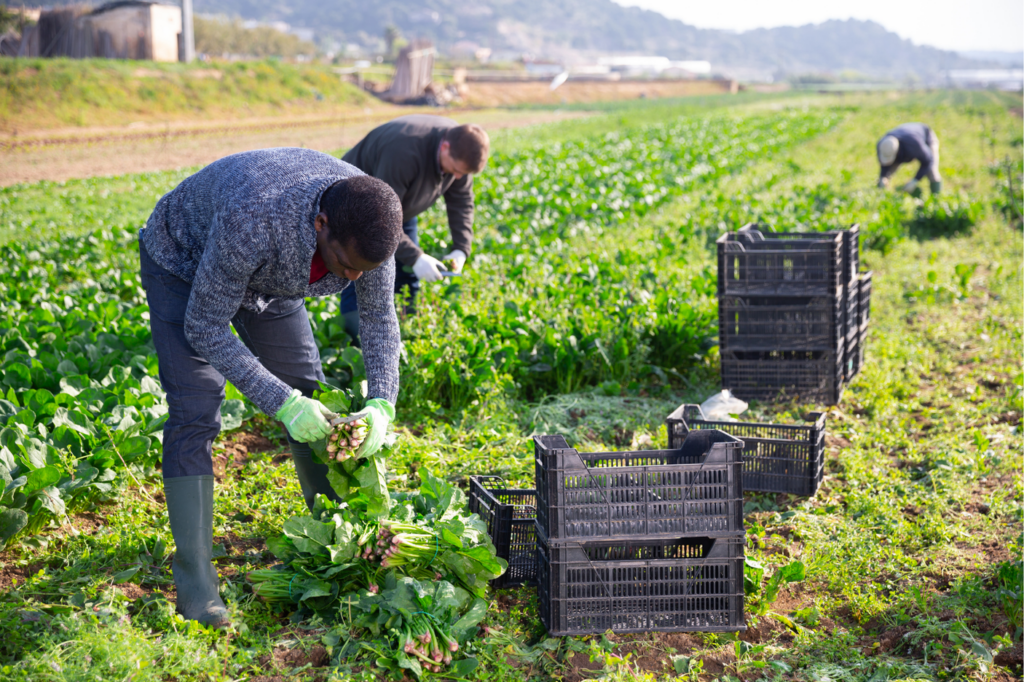
  • Practices such as conservation agriculture, crop diversification, and soil cover to improve fertility and water retention.
  • Integrating trees, vegetation, and ecological corridors into production landscapes to boost biodiversity and resilience.
Ecosystem-friendly infrastructure
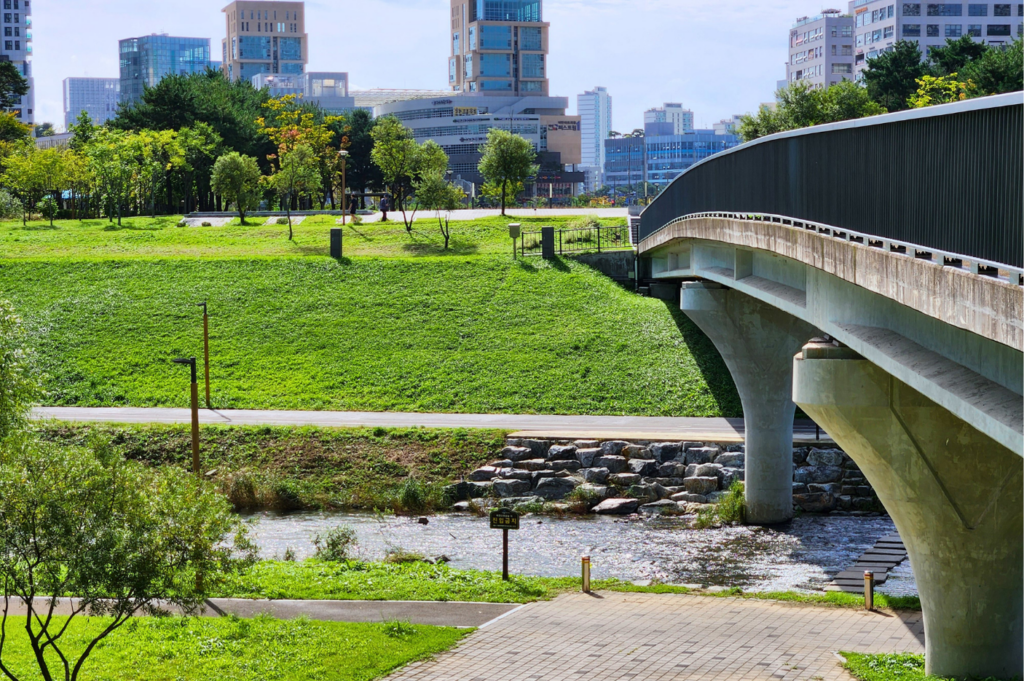
  • Green roofs, urban parks, and vegetated buffers that reduce heat, improve air and water quality and lower disaster risks.
  • Natural drainage and water retention systems to reduce flooding and erosion.
Community-based approaches
  • Local stewardship programs that prevent overexploitation and manage resources adaptively.
  • Inclusive governance structures that integrate traditional knowledge and promote equity.
  •  
Risk reduction measures
  • Restoring natural barriers to protect against floods, landslides and wildfires.
  • Using vegetation to stabilize soils and regulate water flows.
Climate-smart practices
  • Enhancing carbon sinks through restoration and sustainable use of ecosystems.
  • Promoting adaptive agricultural and water management systems to cope with climate extremes.

Challenges to NBS

Even though NBS has all these benefits. The introduction thereof still face the following challenges:

Financing and investment
  • Limited and inconsistent funding compared to grey infrastructure.
  • Difficulty in quantifying long-term economic returns and co-benefits (e.g., avoided disaster costs, health benefits).
  • Private sector investment remains low due to uncertain revenue streams.
Governance and institutional barriers
  • Fragmented responsibilities across government departments and sectors.
  • Lack of enabling policies, standards and regulatory frameworks for mainstreaming NbS.
  • Short-term political cycles often clash with long-term ecosystem timelines.
Measurement and evidence gaps
  • Limited data and indicators to assess effectiveness, scalability and trade-offs.
  • Need for robust monitoring, evaluation and adaptive management systems.
  • Difficulty in attributing outcomes (e.g., how much flood reduction is due to NbS vs. other interventions).
Social and equity concerns
  • Risk of “greenwashing” projects that displace local communities or ignore Indigenous rights.
  • Unequal distribution of benefits with urban elites potentially benefiting more than vulnerable groups.
  • Lack of inclusive participation in design and governance of NbS.
Technical and ecological limitations
  • NbS are not necessarily cure-alls and effectiveness can vary by scale, location and climate.
  • May take longer to deliver results compared to engineered (grey) infrastructure.
  • Climate change may undermine ecosystem resilience, reducing NbS effectiveness over time.
Awareness and capacity gaps
  • Limited technical expertise within governments and institutions.
  • Lack of awareness among decision-makers of NbS as viable, cost-effective alternatives.
  • Insufficient integration into urban planning, disaster risk reduction and development strategies.

Nature-based Solutions present a powerful pathway to address interconnected global challenges while securing benefits for people, biodiversity, and the climate. Guided by well-established principles and supported by a growing body of evidence, NbS can deliver transformative impacts when designed inclusively, grounded in science, and embedded into wider policy and planning frameworks. However, unlocking their full potential requires overcoming persistent barriers of finance, governance and capacity, while safeguarding equity and ecological integrity. Moving forward, scaling up NbS calls for sustained investment, cross-sector collaboration, and genuine participation from local communities and Indigenous peoples. By doing so, NbS can shift from promising innovations to mainstream strategies that drive a more resilient, just and sustainable future for all.

Add main heading here

Mobilizing finance

Mobilizing financial resources and investment is essential to scale up Nature-based Solutions (NbS) and close the current biodiversity finance gap, estimated at USD 700 billion annually. Projects need to be investment-ready by applying recognised quality standards such as the IUCN Global Standard for NbS, backed by robust benefit-cost assessments to demonstrate clear climate, biodiversity and social returns.

Blended finance approaches that combine public, concessional, and private capital can de-risk investments through first-loss tranches, guarantees, or outcome-based payments, as shown in initiatives like the Coalition for Private Investment in Conservation (CPIC) and innovative mechanisms such as forest resilience bonds and coral reef parametric insurance.

Public finance reform is also critical, redirecting nature-negative subsidies and leveraging payments for ecosystem services, watershed tariffs, or tourism levies to provide predictable revenue streams that can anchor private investment. Sustainable debt markets, particularly green, sustainability-linked, and emerging biodiversity bonds aligned with ICMA principles, offer additional vehicles for channeling large-scale capital into NbS, provided impact metrics and transparent reporting are in place. At the corporate and financial institution level, aligning disclosures with the Taskforce on Nature-related Financial Disclosures (TNFD) framework can shift capital flows toward NbS in supply chains and asset portfolios.

While environmental markets such as carbon and biodiversity credits are evolving, they should be approached cautiously, prioritising integrity and genuine ecological outcomes over offsets. Ultimately, closing the finance gap will require a systemic approach that blends instruments, de-risks private capital, creates sustainable revenue streams, and aligns both public and private finance with global biodiversity goals such as Target 19 of the Kunming-Montreal Global Biodiversity Framework (UNEP 2023; OECD 2020; IUCN 2020; ICMA 2025; TNFD 2023).

References

  • Convention on Biological Diversity (CBD). (2022). Kunming–Montreal Global Biodiversity Framework. CBD/COP/15/L25. Montreal, Canada. Retrieved from: https://www.cbd.int/gbf
  • Food and Agriculture Organization of the United Nations (FAO). (2018). The State of World Fisheries and Aquaculture 2018 – Meeting the Sustainable Development Goals. FAO, Rome. Retrieved from: https://www.fao.org/3/i9540en/i9540en.pdf
  • International Institute for Sustainable Development (IISD). (2021). How Can Investment in Nature Close the Infrastructure Gap? Nature-based Infrastructure Global Resource Centre. Retrieved from: https://nbi.iisd.org
  • Intergovernmental Panel on Climate Change (IPCC) & Intergovernmental Science-Policy Platform on Biodiversity and Ecosystem Services (IPBES). (2021). Workshop Report on Biodiversity and Climate Change. IPBES & IPCC.
  • IUCN. (2016). Global Standard for Nature-based Solutions. International Union for Conservation of Nature, Gland, Switzerland. Retrieved from: https://www.iucn.org/theme/nature-based-solutions/resources/iucn-global-standard-nbs
  • Marchal, V., et al. (2019). Nature-based Solutions and the Insurance Sector: Opportunities and Challenges. OECD Environment Working Papers.
  • United Nations Environment Programme (UNEP). (2021). State of Finance for Nature – Time to Act: Doubling Investment by 2025 and Eliminating Nature-negative Flows. Nairobi, Kenya. Retrieved from: https://wedocs.unep.org/handle/20.500.11822/37004
  • United Nations Framework Convention on Climate Change (UNFCCC). (2021). Adaptation Gap Report 2021. Bonn, Germany. Retrieved from: https://unfccc.int/documents
  • © Copyright RegionsWithNature 2025