Head of Government
 Gianluca Comazzi
Regional Councilor of Lombardy Region
Gianluca Comazzi
“The Lombardy Region is strengthening the protection of the environment and biodiversity through concrete actions: investments in regional parks and nature reserves, more resources for the management of public green areas, new measures for the prevention and monitoring of wildlife. At the same time, we are speeding up urban regeneration processes and limiting land consumption, because the quality of spaces and landscapes is an essential part of quality of life. The goal is clear: a greener, safer, and more sustainable Lombardy for everyone.”
GALLERY
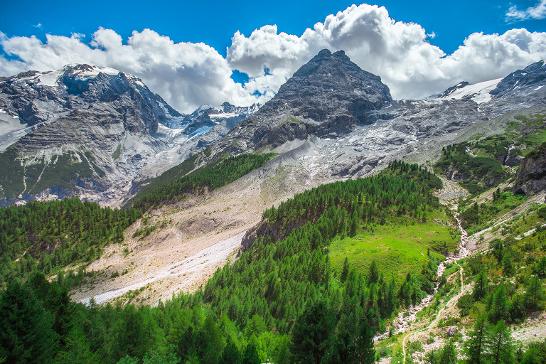
Stelvio National Park is the largest Italian Alpine park, covering 130,700 hectares and featuring 1,500 km of trails. Established in 1935, it was originally managed by the State Company for State Forests. In 2015, following National Law 147/2013, its management was transferred to the regional government of Lombardy and the autonomous provinces of Trento and Bolzano. The Park holds significant cultural, historical, touristic, recreational, and scientific value.

The Regional Observatory of Biodiversity was established in response to the 2011 ministerial decree of the Italian Ministry for the Environment, in coordination with the National Observatory of Biodiversity. Its creation addressed the need to activate, develop, and manage networks for monitoring, research, and communication that can provide decision-makers and the public with the information required to manage biodiversity and to adopt policies aligned with international legal frameworks and commitments. The establishment of the Observatory reaffirms the importance of collecting biological, physical, socioeconomic, geographic, and environmental data to support cost-benefit assessments and promote sustainability.
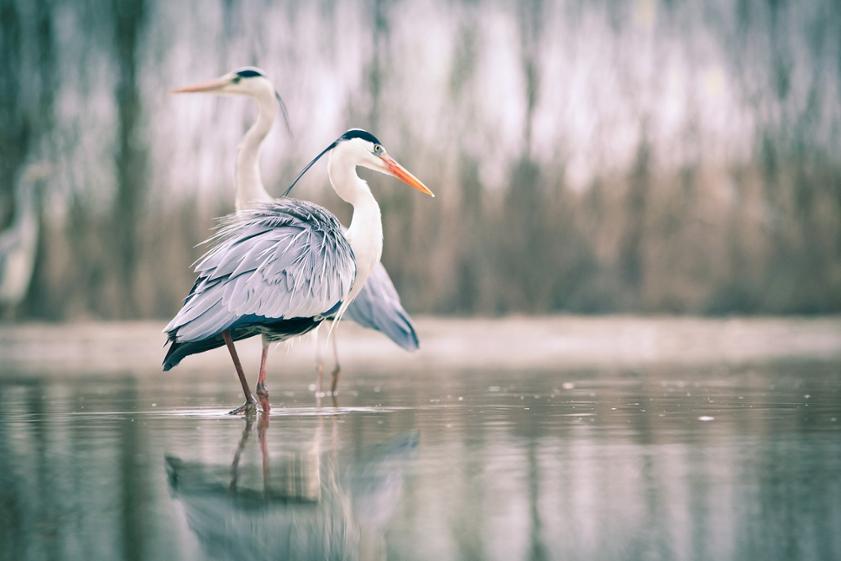
The territory of Lombardy includes 67 regional natural reserves, a number that is expected to grow. In addition, there are three natural reserves of national importance. Their size varies considerably, and the largest at present is the Val di Mello Reserve, which covers 4,500 hectares. The region also contains numerous wetlands, six of which are listed under the Ramsar Convention, which recognizes wetlands of international significance.