Integrated approach to biodiversity strategies & action plans and reporting on biodiversity targets

The purpose of this guide is to support subnational and regional authorities in effectively operationalizing the KM-GBF through inclusive, vertically integrated governance approaches. It aims to translate global commitments into practical, context-specific action by guiding institutional coordination, policy alignment, capacity development, and monitoring mechanisms across all levels of government.
The guide seeks to provide practical ways in which to enhance coherence between national biodiversity strategies and priorities and subnational implementation, ensuring that local and regional action contributes effectively to national and global targets. By outlining enabling conditions, tools, and examples of good practice, it also serves as a resource for policymakers, practitioners, and partners to strengthen whole-of-government and whole-of-society engagement. Ultimately, the guide promotes a systemic and collaborative approach to biodiversity governance that accelerates implementation, fosters accountability, and delivers tangible benefits for people and nature.
About this guide
Background context
The world is facing an unprecedented biodiversity crisis. Species extinction rates are currently 10 to 100 times higher than the natural background rate, with further acceleration expected (IPBES, 2019). Between 1970 and 2018, global wildlife populations declined by an average of 69% (WWF, 2022). Reversing this trend is essential not only for ecosystems but for sustainable development, human well-being, and climate resilience.
To halt biodiversity loss, governments adopted the Kunming-Montreal Global Biodiversity Framework (KM-GBF) at the 15th Conference of the Parties (COP 15) with the ambitious vision of a world living in harmony with nature by 2050. The KM-GBF urges governments to take urgent, transformative action, and provides a framework for not only the conservation and sustainable use of biodiversity, but also fair and equitable benefit-sharing from the use of genetic resources; and it outlines enabling conditions and means
of implementation to implement the KM-GBF. Importantly, the KM-GBF recognizes that the achievement of this vision cannot be realized by national governments alone, and accordingly, it sets the stage and calls for a whole-of-government and whole-of-society approach, which relies on action and cooperation by all levels of government and by all actors of society.
At the country level, National Biodiversity Strategies and Action Plans (NBSAPs) are national-level policy instruments that countries, which are signatories to the Convention on Biological Diversity (CBD), are obliged to develop and implement to protect biodiversity and implement their commitments under the CBD. NBSAPs set out countries’ priorities and actions for achieving the objectives of the Convention and contributing towards the goals and targets adopted at CBD COP 15 under the KM-GBF. Read more about NBSAPs here
At the sub-national level, the CBD has recognized and encouraged the involvement of subnational and local authorities in the implementation of the Convention since 2008. In 2010, the Parties to the Convention endorsed a Plan of Action on Subnational Governments, Cities and Other Local Authorities for Biodiversity. This was renewed in 2015 at CBD COP15 with a more ambitious Plan of Action for the period 2023–2030. This Plan of Action is intended to support Parties, subnational governments, cities, and other local authorities and their partners in implementing the KM-GBF in accordance with national legislation.
Subnational and local governments have immense potential to contribute to the implementation and achievement of both global and national biodiversity targets. Successful implementation of NBSAPs at subnational and local levels requires vertical integration of strategic planning and implementation, coordination (i.e. agreement on common priorities and on division of responsibilities and labour,) and cooperation or collaboration (i.e. development of joint work plans, working together) between the various levels of authority. Many countries have a hierarchy of biodiversity strategies and action plans (BSAPs), or similar instruments, to facilitate vertical integration. The authority and responsibility to prepare BSAPs at lower levels of government may derive from constitutional competencies, legislation, policies, or public corporate practices in terms of the devolution of powers. For example, the Province of Quebec’s 2030 Strategic Nature Plan, the State of California’s Pathways to 30×30 – Accelerating Conservation of California’s Nature, and the Biodiversity Strategy of the Basque Autonomous Community. Read more about BSAPs here.
Action Area 1 of the 2023–2030 Plan of Action specifically encourages the development and implementation of biodiversity strategies and action plans that:
- promote the involvement of subnational and local governments in the process to revise and update NBSAPs and align them with the KM-GBF, and in implementing the NBSAPs; and
- encourage subnational and local governments to develop their own BSAPs in harmony with NBSAPs.
Furthermore, Action Area 7 of the 2023–2030 Plan of Action encourages subnational and local governments to report on, and track progress against, their commitments towards the KM-GBF and NBSAPs; and encourages national governments to involve subnational and local governments in the regular monitoring and review of progress against targets specified in NBSAPs.
Whole-of-government and whole-of-society approach
What do these approaches mean?
The KM-GBF is a framework for all governments and all sectors of society. The “whole-of-government, whole-of-society” approach stands central to how the framework is understood, implemented, reported and evaluated. Achieving the transformative action needed to halt biodiversity loss and reach the ambitious goals and targets of the KM-GBF, requires an integrated and inclusive approach that depends on coordinated action across all levels of government and all sectors of society.
This “whole-of-government, whole-of-society” approach means that, while governments are responsible for developing and enacting public policy, legal and administrative measures for implementation, all actors in society should contribute to reaching the KM-GBF targets and vision of living in “Harmony with nature” by 2050.
Box 1: Understanding Whole-of-Government approach in the KM-GBF
The KM-GBF is a framework for all governments and all sectors of society. The “whole-of-government, whole-of-society” approach stands central to how the framework is understood, implemented, reported and evaluated. Achieving the transformative action needed to halt biodiversity loss and reach the ambitious goals and targets of the KM-GBF, requires an integrated and inclusive approach that depends on coordinated action across all levels of government and all sectors of society.
This “whole-of-government, whole-of-society” approach means that, while governments are responsible for developing and enacting public policy, legal and administrative measures for implementation, all actors in society should contribute to reaching the KM-GBF targets and vision of living in “Harmony with nature” by 2050.
Box 2: Understanding Whole-of-Society approach in the KM-GBF
A “whole-of-society” approach means that everyone, from individuals, to academia and research institutions, big and small businesses in the corporate sector, financial institutions and stakeholder groups such as women, the youth, indigenous peoples, and local communities can contribute through the decisions and actions they make.
This approach builds on the principle that biodiversity is a “common concern of humankind” as reflected in the preamble of the CBD, which acknowledges that effective implementation requires participation from the private sector, civil society, Indigenous peoples, local communities, and all levels of government. In the context of the 2030 Agenda for Sustainable Development, whole-of-society approaches have been shown to enhance the legitimacy, ownership, and effectiveness of policies (Cázarez-Grageda, 2018). Participatory policy-making, while often more time-intensive, accelerates implementation. When goals are developed inclusively, stakeholders are more likely to support and act on them, unlocking synergies and reducing resistance during implementation. Importantly, the KM-GBF urges Governments at all levels to enable and support the full and effective participation of these actors in biodiversity planning, implementation, monitoring, and reporting. This broad engagement is not just a principle of equity—it is a practical necessity for achieving buy-in and transformative change.
Governments at the regional and subnational levels should complement national governments’ actions. As critical actors in biodiversity governance, with mandates and powers derived in terms of the devolution of powers applicable to their respective countries, regional and subnational governments are uniquely positioned to:
Whole-of-government and whole-of-society approach
Why do these approaches matter for regional governments?
Governments at the regional and subnational levels should complement national governments’ actions. As critical actors in biodiversity governance, with mandates and powers derived in terms of the devolution of powers applicable to their respective countries, regional and subnational governments are uniquely positioned to:


Coordinate across sectors and jurisdictions
embedding biodiversity into land-use planning, resource management, and public investment across sectoral departments and agencies at subnational level.

Serve as intermediary between national and local governments
translating national policies into local actions and aggregating local needs for national attention.
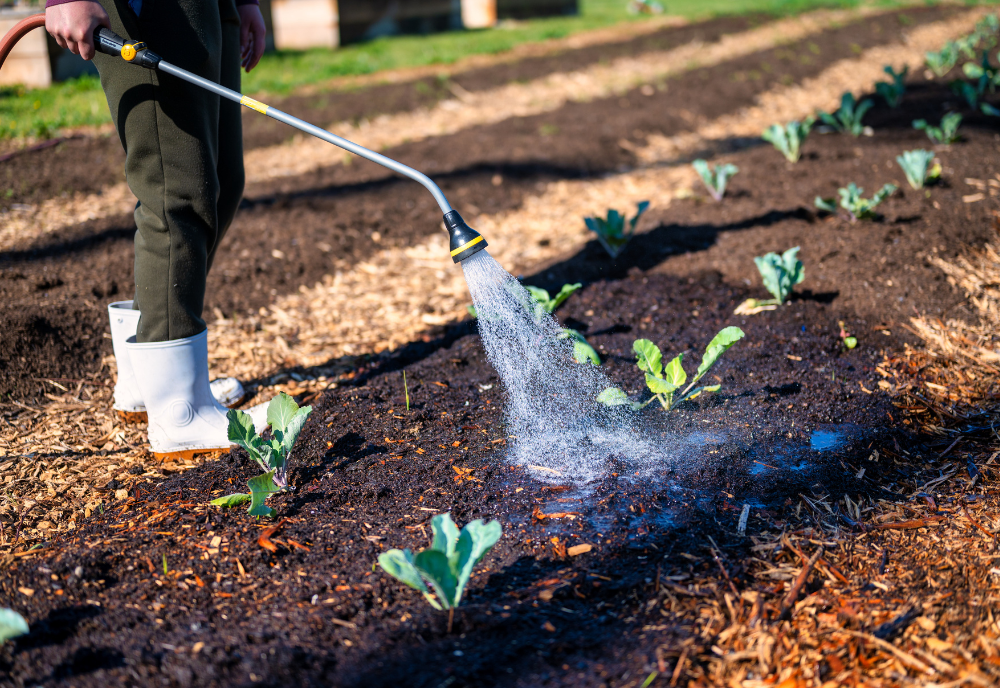
Strengthen participatory processes
ensuring inclusive engagement in the design and implementation of National Biodiversity Strategies and Action Plans (NBSAPs) at subnational level. The authority and responsibility to prepare Biodiversity Strategies and Action Plans (BSAPs) at lower levels will depend on the national system of governance.
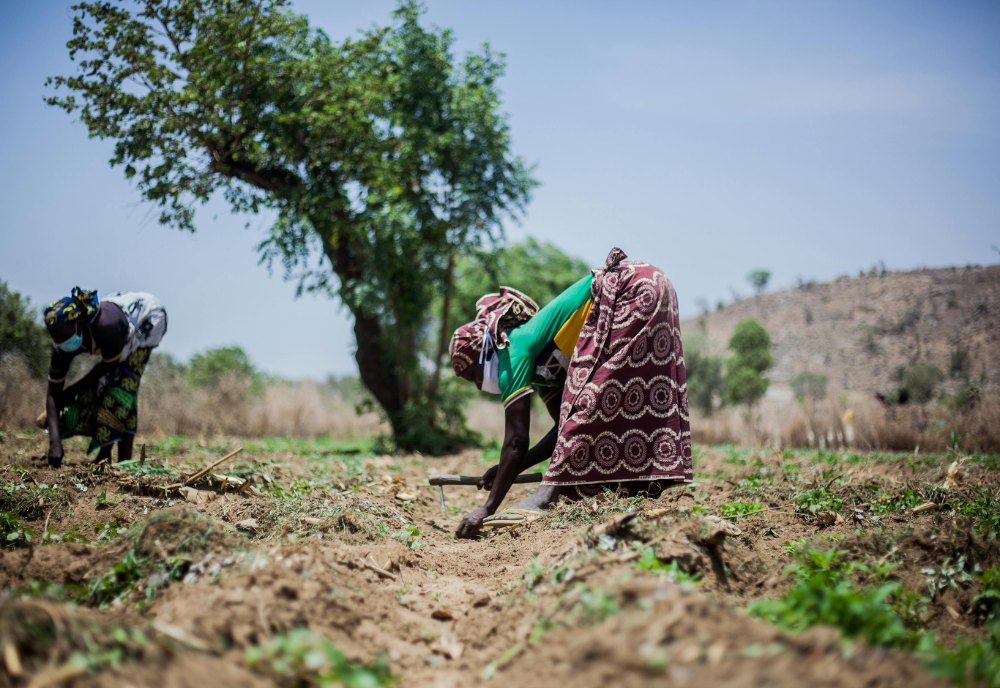
Mobilize local knowledge and innovation
particularly from Indigenous Peoples, local communities, and grassroots organizations.

Monitor progress and foster accountability
using data, indicators, and local feedback mechanisms.

Build partnerships with the private sector
academia, and civil society to co-deliver biodiversity outcomes.
By adopting whole-of-government and whole-of-society approaches, regional governments can become powerful drivers of biodiversity action, helping to meet national targets while delivering co-benefits for climate, biodiversity, health, and local economies.
Whole-of-government and whole-of-society approach
Factors to consider when implementing whole-of-government and whole-of-society approaches
Implementing the KM-GBF through a whole-of-government and whole-of-society approach is complex.. The table below summarises key factors needed to drive these complex processes:
- secure strong political leadership and commitment
- establish a shared vision and objectives
- be sensitive to complex contexts and adapt initiatives if needed to recognize stakeholder interests
- establish coordination structures and build a collaborative culture
- designate clear responsibilities for coordination to facilitate decision making and clear strategies for coordinating consultations, aligning agendas, and working with multiple stakeholders at national and sub-national levels and across society, and to ensure clear communication with all actors
- link to existing structures and avoid creating unnecessary parallel ones
- identify and align roles
- establish mechanisms for shared accountability
- co-design the process with stakeholders and agree on principles of engagement
- ensure open and effective communication
- ensure participation by stakeholders is inclusive and meaningful through transparency, accountability, and inclusive representation – especially of marginalized and vulnerable groups, and indigenous peoples
- provide adequate resources to ensure effective and equitable stakeholder participation
- ensure government teams have adequate resources, including human and financial, to implement coordination efforts effectively
- build mechanisms and systems to provide regular feedback to all stakeholders and enhance accountability
Government-led multi-stakeholder and multi-sectoral processes (MSPs) can serve as an important conduit for advancing a whole-of-society approach by strengthening local, national, and regional dialogues and fostering shared solutions. These processes create spaces where diverse interests, knowledge systems, and values can be brought together to identify common ground, address trade-offs, and support informed decision-making.
When inclusive of all relevant public and private actors, and aligned with the appropriate decision-making levels, MSPs have proven effective in driving transformative change. They enable the development of action plans across critical sectors including finance, economy and industry, urban and regional planning, infrastructure, agriculture, mining, forestry, fisheries, trade, energy, tourism, and health, all of which significantly impact natural capital.
Biodiversity Strategies and Action Plans and Reporting
Biodiversity Strategies and Action Plans and Reporting
Within the framework of the CBD, MSPs embedded in whole-of-government and whole-of-society approaches are particularly valuable in supporting government-led efforts related to the development, implementation, monitoring, and review of National Biodiversity Strategies and Action Plans (NBSAPs), as well as the preparation of national reports. In practice, MSPs operationalize this by:
- facilitating dialogue that bridges ecological, social, and economic priorities and agendas
- mainstreaming biodiversity values into sectoral plans and budgets;

- identifying incentives and trade-offs to align development pathways with nature-positive outcomes; and
- ensuring accountability and inclusivity in how biodiversity strategies (such as NBSAPs) are designed, implemented, and reviewed.
Planning, monitoring, reporting, and review are important checks and balances in ensuring successful implementation and the achievement of targets. CBD decision 16/32, adopted at CBD COP 16.2 in Rome in February 2024, enhances the mechanisms for planning, monitoring, reporting, and review of the KM-GBF and establishes procedures for the first global review at COP 17 and a second at COP 19. In essence, it creates a system that holds nations accountable for their commitments, with a focus on data collection and reporting to gauge collective progress towards the GBF’s goals, while ensuring the process is facilitative and respects national sovereignty. It embraces a whole-of-government and whole-of-society approach, and encourages actors other than national Governments to communicate commitments, on a voluntary basis, towards the implementation of the KM-GBF and NBSAPs, contributing, where appropriate, to global targets or to any other aspect of the KM-GBF. The decision recognizes that these contributions can have a positive effect on implementation and strengthen collaboration across all sectors of society, and make a valuable contribution to the enhanced multidimensional approach to planning, monitoring, reporting, and review. To ensure standardisation and alignment with the KM-GBF it includes a template of core reporting elements for commitments by actors other than national Governments, including subnational governments.

Biodiversity Strategies and Action Plans and Reporting
Vertical integration for the implementation of biodiversity goals and targets
Momentum for transformative biodiversity action is growing. Across regions and sectors, new partnerships, policy innovations, and community-driven initiatives are demonstrating that whole-of-government and whole-of-society approaches are not only possible, they are powerful. By embracing collaboration, fostering inclusion, and investing in local capacity, governments can turn the vision of the KM-GBF into reality: a future where nature and people thrive together, and where collective action today secures the foundations for a resilient, equitable, and biodiverse world.
The CBD has long endorsed multilevel governance. Its Plan of Action for Subnational Governments, Cities and Other Local Authorities (Decision X/22), adopted in Nagoya (2010), first formalised the role of subnational and local governments in implementing national biodiversity strategies, and later reinforced this through the more ambitious Decision 15/12 adopted in Montréal in 2022.
The Plan of Action on Subnational Governments, Cities and Other Local Authorities for Biodiversity (PoA) covering 2023-2030, was adopted at CBD COP 15 to align with the KM-GBF. The PoA serves as a framework to support and coordinate local and subnational governments in implementing the global biodiversity framework. Its main objectives are to increase engagement, improve coordination, build capacity, and support the development of local biodiversity strategies to achieve national and global targets.
Vertical integration between levels of government is central to advancing the implementation of the KM-GBF, and the PoA provides a clear roadmap of how to achieve this through seven interrelated and complementary action areas. It focuses on strengthening coherence and coordination between national, subnational, and local levels of government to ensure that biodiversity targets, strategies, and monitoring mechanisms are mutually reinforcing. Through vertical integration, national biodiversity strategies and action plans (NBSAPs) are operationalised on the ground, embedding global and national commitments into regional and local planning, budgeting, and reporting systems.
Effective vertical integration not only ensures policy coherence but also empowers local and regional authorities as implementation partners, bridging global ambition with local realities and unlocking transformative action for nature and people.
Parties are called upon to implement the Decision 15/12 Plan of Action, supported by the CBD Secretariat and key partners such as ICLEI, Regions4, the Group of Leading Subnational Governments toward Aichi Biodiversity Targets, and the European Union’s Committee of the Regions. Decision 15/12 provides an institutional mechanism for engaging subnational governments in the form of the two CBD Advisory Committees, one on Local Governments and the other on Subnational Governments. The main purpose of these advisory committees is to solicit the points of view of cities and local authorities and subnational governments to guide and coordinate contributions at these levels, and ensure that local and regional perspectives are embedded in CBD processes. The PoA also provides a mechanism to ensure vertical integration in the CBD monitoring and reporting process by recognizing the CitiesWithNature and RegionsWithNature online platforms as commitment and reporting platforms for local and subnational governments.
Biodiversity Strategies and Action Plans and Reporting
Subnational policy instruments contributing to global and national targets
As mentioned in the Introduction to this Guide, NBSAPs are the primary tool at national level for implementing the goals of the CBD and the goals and targets of the KM-GBG. Effective implementation of NBSAPs at subnational and local levels generally depends on two interconnected elements: the capacity of each level of government to develop, execute, and monitor their own BSAPs or related instruments that mainstream biodiversity into wider objectives and cover the obligations of the NBSAP; and the coordination between levels of government. Vertical integration is central to NBSAP implementation and applies to integration of strategic planning and implementation, coordination (through agreement on common priorities and on division of responsibilities and labour,) and collaboration (through development of joint work plans, working together) between the various levels of authority. The CBD Guideline on an Integrated Approach in the Development and Implementation of National, Subnational and Local Biodiversity Strategies and Action Plans, funded by the Japan Biodiversity Fund, identifies the following thirteen general action areas to promote such integration, coordination, and cooperation:
- Specifying and institutionalising collaboration and coordination in policy and strategy;
- Clarifying mandates, institutional role,s and responsibilities;
- Establishing institutional coordination and cooperation mechanisms and forums;
- Coordinating strategies to ensure alignment with NBSAPs and global targets;
- Planning for action together;
- Cooperating on programmes and projects;
- Cooperation across political borders;
- Facilitating consultation and participation:
- Financial support and incentives;
- Technical support and non-financial incentives;
- Capacity building and sharing lessons learned;
- Cooperation on science, information, monitoring, and evaluation; and
- Communication and awareness raising.
While not an obligation under the CBD, BSAPs are increasingly being developed at state/provincial/territorial, local, and city levels. A paper on “Enhancing the Effectiveness of Sub-National Biodiversity Policy: Practices in France and Scotland, United Kingdom” published by the OECD in 2021 identified several important insights to help enhance the effectiveness of sub-national biodiversity policies. While the OECD paper focuses on European practices, the insights (summarised below) are applicable globally:
Biodiversity strategies and plans should have clear measurable targets and associated indicators as well as monitoring and reporting frameworks that align with and contribute to NBSAPs, while also addressing locally-specific challenges;


Roles and responsibilities across the levels of government should be clarified in both national and subnational BSAPs;
NBSAPs should guide the incorporation of biodiversity considerations into sub-national climate action plans and urban, rural and regional development strategies/plans;


BSAPs should promote and support nature-based solutions to harness synergies between climate mitigation, climate adaptation and biodiversity;
BSAPs should leverage different opportunities for mainstreaming biodiversity in diverse geographical contexts at the subnational level;

Use multi-stakeholder partnerships to engage all relevant actors and facilitate co-ordination in developing and implementing BSAPs to effectively ensure vertical and horizontal policy coherence; and
Strengthen institutional mechanisms and align budgets to facilitate coordination within subnational governments, including departments responsible for finance, economic affairs, spatial planning and climate action.
BSAPs are Biodiversity Strategies and Action Plans developed at subnational, regional, or local levels — e.g., by provinces, states, or cities.
BSAPs are essential building blocks that give local relevance to NBSAPs, translating national biodiversity commitments into concrete, context-specific action. They operationalize national goals, such as those under the KM-GBF, by setting local targets and indicators for implementation.
By mainstreaming biodiversity into local planning and economic sectors, BSAPs foster local ownership, ensuring communities and authorities become active implementers. Their context-sensitive innovation, from urban greening to indigenous stewardship, feeds back into stronger, more adaptive national strategies.
Biodiversity Strategies and Action Plans and Reporting
Reporting on subnational biodiversity action
As mentioned above, CBD Decision 16/32 on Mechanisms for Planning, Monitoring, Reporting and Review establishes procedures for the first global review of collective implementation progress of the KM-GBF at COP 17. The RegionsWithNature online platform is recognized as a reporting platform for subnational and regional governments. The RegionsWithNature Action Platform is where subnational and regional governments can make their commitments towards KM-GBF targets and NBSAPs and report on their commitments. The Action Platform is aligned with the core reporting elements contained in CBD CBD Decision 16/32 and data captured on RegionsWithNature and the platform is designed to feed
automatically into the CBD Clearing House Mechanism for inclusion in the global review. Information shared on the Clearing House Mechanism will be made available for national focal points to review. After a period of four weeks, the submitted commitment would be published if the relevant national focal point has not objected, with the understanding that the commitment could be withdrawn from publication at any time if there is an objection.
The first global stock take of KM-GBF implementation will be presented at COP17 in Yerevan, Armenia.
The CBD’s Global Review Process is a key mechanism for tracking, assessing, and enhancing the implementation of the KM-GBF.
The global review process is designed to:
- Assess collective progress toward the KM-GBF goals and targets;
- Inform national actions and policies through insights and gaps identified;
- Strengthen accountability and transparency;
- Support adaptive implementation by allowing course corrections; and
- Ensure contributions from all levels of government, including subnational actors, are reflected.
Conclusion
Recognition of nature’s value as a precondition for action
Recognizing the intrinsic, cultural, and economic value of nature is the foundation for transformative biodiversity action. When societies understand that healthy ecosystems underpin human well-being, economic prosperity, and climate resilience, the motivation for policy and behavioural change strengthens. This recognition not only guides the prioritization of biodiversity in planning and investment, but also fosters accountability, innovation, and collaboration, laying the groundwork for a future where nature’s value is fully reflected in how we live, produce, consume and govern.
Establishing these preconditions allows governments to internalize biodiversity values across planning, budgeting, and reporting systems, fostering accountability and policy coherence. In doing so, biodiversity considerations become embedded within national and subnational development priorities, catalysing sustained and measurable progress toward the 2050 vision of living in harmony with nature.
Achieving the vision of the Kunming-Montreal Global Biodiversity Framework requires coordinated, inclusive, and sustained action across all levels of government and society. By adopting whole-of-government and whole-of-society approaches, and strengthening vertical integration, countries and regions can translate global commitments into locally relevant action. Subnational governments play a pivotal role in bridging policy and practice, fostering participation, and driving innovation. Through collaboration, accountability, and recognition of nature’s value, collective efforts can deliver the transformative change needed for a resilient, equitable, and nature-positive future.
This project was carried out with the financial participation of the Gouvernement du Québec.
